
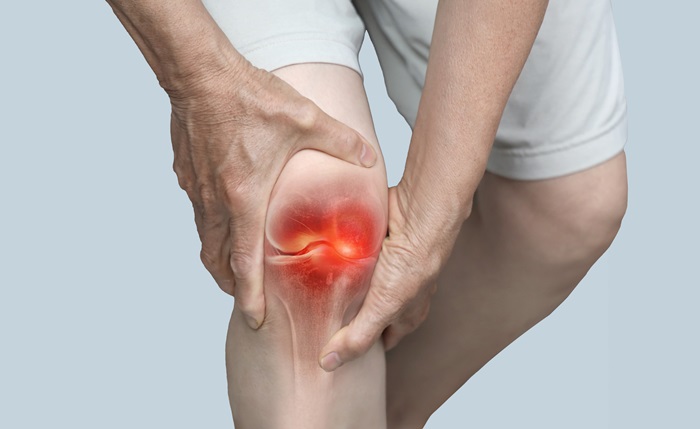
Joint pain can feel like an unwelcome guest that shows up unannounced and refuses to leave. I’ve had my share of achy knees after a long hike or a stiff shoulder from too much time hunched over my laptop. It’s frustrating, and sometimes it feels like your body is betraying you. But joint pain isn’t just random bad luck—it has specific causes, and understanding them is the first step to managing it. In this article, I’ll break down the root causes of joint pain, drawing on what I’ve learned from my own experiences, conversations with healthcare professionals, and solid research. We’ll explore why your joints might hurt, what you can do about it, and when it’s time to seek help—all in a way that’s practical and easy to grasp. Let’s get started.
What Is Joint Pain, Anyway?
Joint pain is discomfort, aching, or soreness in places where bones meet, like your knees, hips, shoulders, or wrists. It can feel like a dull throb, a sharp stab, or a burning sensation, and it might come with stiffness or swelling. For me, it’s often my lower back after sitting too long or my knees after a cold, damp day. Joints are complex structures—think of them as hinges made of bones, cartilage, ligaments, tendons, and synovial fluid (the lubricant that keeps things moving smoothly). When something goes wrong with any of these parts, you feel it.
Joint pain can be acute (short-term, like after an injury) or chronic (lasting months, like in arthritis). Understanding the cause helps you figure out how to address it, whether it’s a quick fix or a long-term plan. Let’s dive into the main culprits behind joint pain.
Common Causes of Joint Pain
Joint pain can stem from a variety of issues, from wear and tear to inflammation to lifestyle factors. Here’s a rundown of the most common causes, with insights from research and my own journey with occasional joint aches.
1. Osteoarthritis: The Wear-and-Tear Culprit
Osteoarthritis (OA) is one of the most common reasons for joint pain, especially as we age. It happens when the cartilage—the cushiony tissue between bones—wears down, causing bones to rub together. This leads to pain, stiffness, and sometimes swelling. I’ve noticed my knees creak more after long walks, and my doctor explained it’s partly because cartilage naturally thins over time.
Why It Happens: Aging, repetitive joint stress (like from running or heavy lifting), obesity, or genetics can speed up cartilage breakdown. A 2020 study in The Lancet Rheumatology found that OA affects over 300 million people worldwide, with knees and hips being the most common trouble spots.
Symptoms: Stiffness after rest (like in the morning), pain during movement, and a “grating” sensation in the joint.
What You Can Do: Low-impact exercises (like swimming), weight management, and physical therapy can help. I’ve found that gentle stretches in the morning make my knees feel less cranky.
2. Rheumatoid Arthritis: When Your Immune System Attacks
Unlike OA, rheumatoid arthritis (RA) is an autoimmune disease where your immune system mistakenly attacks the lining of your joints (the synovium). This causes inflammation, pain, and swelling, often in smaller joints like hands and wrists. A friend of mine with RA described it as feeling like her hands were “on fire” some mornings.
Why It Happens: The exact cause isn’t clear, but genetics, hormones, and environmental triggers (like smoking) play a role. A 2019 Arthritis Research & Therapy study noted that RA affects about 1% of the global population, often women more than men.
Symptoms: Symmetrical pain (both hands or both knees hurt), morning stiffness lasting over 30 minutes, and fatigue.
What You Can Do: Early treatment with medications (like DMARDs) is key, as is consulting a rheumatologist. Gentle yoga has helped my friend manage stiffness, but always check with a doctor first.
3. Injuries: Sprains, Strains, and Tears
An injury—like a sprained ankle or a torn meniscus in the knee—can cause immediate or lingering joint pain. I twisted my ankle trail running last year, and even after it healed, the joint felt “off” for weeks.
Why It Happens: Trauma from falls, sports, or accidents can damage ligaments, tendons, or cartilage. If not properly healed, these injuries can lead to chronic pain or instability. A 2021 Journal of Orthopaedic Research study found that untreated joint injuries increase the risk of osteoarthritis later.
Symptoms: Sudden pain, swelling, or limited movement after an injury.
What You Can Do: Rest, ice, compression, and elevation (RICE) work for acute injuries. Physical therapy can help restore strength. I learned to tape my ankle for support during runs, which made a big difference.
4. Gout: The Crystal Connection
Gout is a type of arthritis caused by uric acid crystals building up in joints, often the big toe. It’s intensely painful and can come on suddenly. A family member of mine had a gout flare-up after a holiday feast, and he described it as “like stepping on a hot nail.”
Why It Happens: High uric acid levels (from diet, genetics, or kidney issues) form sharp crystals in joints. Foods like red meat, shellfish, and alcohol can trigger it. A 2018 Journal of Rheumatology study linked gout to dietary patterns high in purines.
Symptoms: Sudden, severe pain (often at night), redness, and swelling in one joint.
What You Can Do: Medications, hydration, and avoiding trigger foods (like beer or organ meats) help. My family member cut back on steak and felt fewer flares.
5. Bursitis and Tendonitis: Soft Tissue Troubles
Bursitis (inflammation of the bursa, a fluid-filled sac cushioning joints) and tendonitis (inflammation of tendons) can mimic joint pain. I got bursitis in my shoulder from repetitive lifting, and it felt like the joint itself was the problem.
Why It Happens: Overuse, poor posture, or repetitive motions (like typing or throwing) irritate these tissues. A 2020 Clinical Orthopaedics and Related Research study found that repetitive strain is a leading cause of bursitis in shoulders and hips.
Symptoms: Pain when moving the joint, tenderness, or warmth around the area.
What You Can Do: Rest, ice, and anti-inflammatory meds can help. I started doing shoulder stretches daily to prevent another flare-up.
6. Infections and Other Medical Conditions
Sometimes, joint pain signals something more systemic. Infections (like septic arthritis), Lyme disease, or conditions like lupus or fibromyalgia can cause joint pain. If you have fever, fatigue, or pain in multiple joints, it’s worth a doctor’s visit.
Why It Happens: Bacteria, viruses, or autoimmune conditions can inflame joints. A 2019 Infectious Disease Clinics of North America study noted that septic arthritis requires urgent treatment to prevent joint damage.
Symptoms: Fever, swelling, and pain that doesn’t improve with rest.
What You Can Do: See a doctor ASAP for tests and treatment, like antibiotics for infections.
7. Lifestyle Factors: The Everyday Triggers
Sometimes, the way we live sets the stage for joint pain. These are sneaky causes I’ve noticed in my own life:
Inactivity: Sitting too long stiffens joints. A 2021 Arthritis Care & Research study found that sedentary behavior worsens joint pain in older adults.
Poor Posture: Slouching strains your spine and hips. I caught myself hunching at my desk and felt it in my lower back.
Obesity: Extra weight puts pressure on knees and hips. A 2022 Osteoarthritis and Cartilage study showed that losing 5–10% of body weight reduces knee pain in obese individuals.
Poor Diet: Diets high in sugar or processed foods can increase inflammation. I’ve cut back on soda and noticed less joint soreness.
How Joint Pain Impacts Your Life
Joint pain isn’t just physical—it can mess with your mood, sleep, and daily routine. When my knees act up, I’m less likely to go for walks, which bums me out. Chronic pain can also lead to anxiety or depression, as a 2020 Pain journal study found, since it limits what you feel capable of doing. Recognizing the cause helps you take control, whether it’s through lifestyle changes, exercise, or medical help.
Diagnosing the Cause of Joint Pain
Figuring out why your joints hurt often requires a mix of self-awareness and professional input. Here’s how it’s typically done:
Medical History: Your doctor will ask about symptoms, injuries, and family history. I keep a journal of when my pain flares to share with my doctor.
Physical Exam: They’ll check for swelling, range of motion, or tenderness.
Tests: X-rays, MRIs, or blood tests (for RA or gout) can pinpoint the cause. A 2019 Radiology study highlighted imaging’s role in diagnosing joint issues.
Specialists: Rheumatologists, orthopedists, or physical therapists can offer targeted advice.
If your pain lasts more than a few weeks, gets worse, or comes with other symptoms (like fever or fatigue), don’t wait—see a healthcare provider.
Managing and Preventing Joint Pain
Once you know the cause, you can take steps to feel better. Here are practical strategies, many of which I’ve tried myself:
Exercise: Low-impact activities like swimming, yoga, or walking keep joints lubricated. A 2022 The Lancet Rheumatology study found that regular exercise reduces joint pain by up to 30%.
Weight Management: Losing even a few pounds can ease pressure on knees and hips. I started walking more and dropped 5 pounds, which helped my knees.
Diet: Anti-inflammatory foods like salmon, walnuts, and leafy greens can reduce pain. A 2020 Nutrients study linked Mediterranean diets to less joint inflammation.
Heat and Cold Therapy: Heat loosens stiff joints; ice reduces swelling. I use a heating pad on my back in the mornings.
Medications: Over-the-counter options like ibuprofen or prescription meds for RA can help, but consult a doctor.
Physical Therapy: A therapist can design a plan to strengthen muscles around joints. My friend with RA swears by her PT sessions.
Lifestyle Tweaks: Better posture, ergonomic chairs, and regular movement breaks (I set a timer to stand every hour) make a difference.
When to See a Doctor
While many causes of joint pain can be managed at home, some red flags need attention:
Pain that lasts more than a few weeks or worsens.
Swelling, redness, or warmth in the joint.
Fever, fatigue, or unintended weight loss.
Sudden inability to move a joint.
I ignored my ankle pain for too long and regretted it—early intervention can prevent bigger issues.
My Personal Takeaway
Dealing with joint pain has taught me to listen to my body. Whether it’s my creaky knees after a long day or a stiff back from slouching, I’ve learned that small changes—like stretching, eating better, and moving more—make a big difference. Understanding the root cause of your pain empowers you to act, whether it’s trying gentle exercises, tweaking your diet, or seeing a doctor. Joint pain doesn’t have to define you—it’s just a signal to pay attention and take care.
Final Thoughts
Joint pain is complex, with causes ranging from arthritis to injuries to lifestyle habits. By understanding what’s behind your pain, you can take targeted steps to feel better. I’ve been there, wincing through a stiff morning or hobbling after a long day. But with the right knowledge and habits, you can keep your joints happier and your life fuller. Always consult a healthcare professional for persistent or severe pain, and don’t be afraid to take that first step toward relief.
Disclaimer: I’m not a medical professional, just someone who’s navigated joint pain with input from experts. Always seek advice from a doctor or specialist before making changes to manage joint pain, especially if you have a diagnosed condition.
Post a Comment