
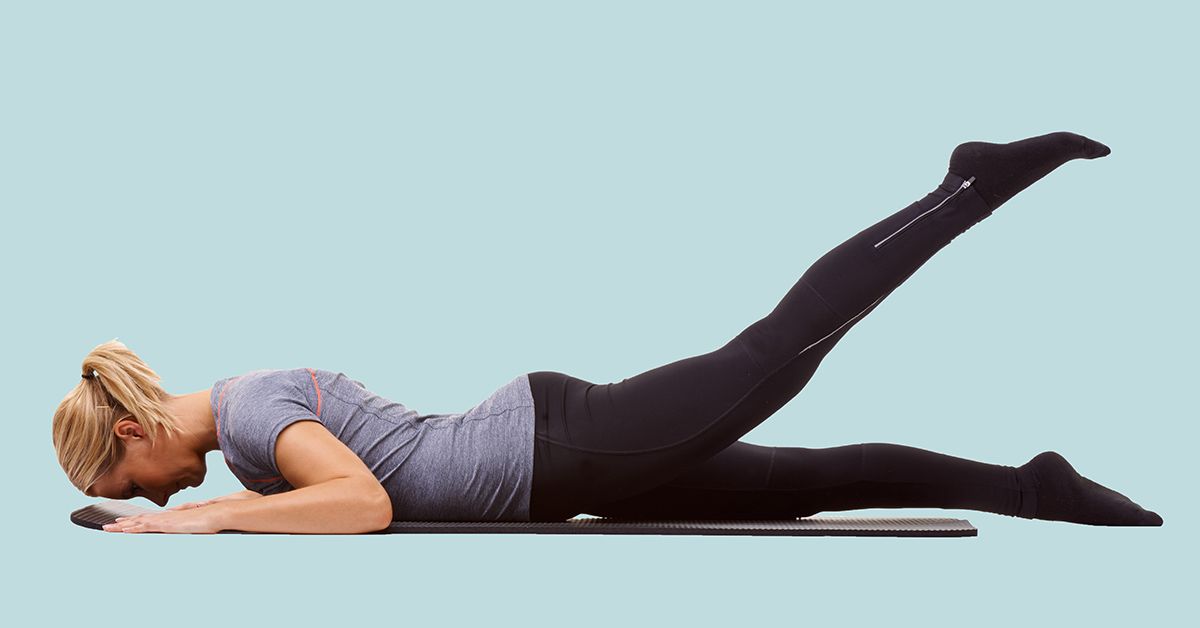
Waking up feeling like your body’s stuck in a tin can is no way to start the day. I’ve been there—my hips tight from too much couch time, my shoulders stiff from hunching over my phone, or my knees creaking like an old wooden floor. Flexibility isn’t just about touching your toes; it’s about moving freely, without that nagging ache holding you back. The good news? You don’t need to push through pain or force yourself into extreme stretches to get limber. Pain-free exercises can gently loosen your joints and muscles, making everyday tasks feel easier. In this article, I’ll share a practical, science-backed guide to boosting flexibility, drawing from my own journey, expert insights, and research. We’ll cover gentle stretches, low-impact moves, and tips to keep it safe and sustainable. Let’s get your body moving smoothly again!
Why Flexibility Matters
Flexibility is your body’s ability to move joints and muscles through their full range of motion without restriction or discomfort. It’s what lets you bend to tie your shoes, twist to grab something, or reach overhead without wincing. I noticed my flexibility slipping when simple things, like squatting to pick up my dog’s toy, started feeling awkward. Poor flexibility can lead to:
Stiffness and Pain: Tight muscles and joints ache more, per a 2019 Journal of Physical Therapy Science study.
Injury Risk: Limited range of motion makes strains or falls more likely, per a 2020 Journal of Athletic Training study.
Reduced Mobility: Stiffness can limit daily activities, per a 2021 Arthritis Care & Research study.
Posture Problems: Tight muscles pull your body out of alignment, causing discomfort, per a 2018 Journal of Bodywork and Movement Therapies study.
The goal is to improve flexibility gently, without forcing your body into painful positions. Pain-free exercises lubricate joints, stretch muscles, and strengthen supporting tissues, making movement feel natural. Always check with a doctor or physical therapist if you have chronic pain, injuries, or conditions like arthritis, but these moves are designed to be safe for most people.
Pain-Free Exercises to Boost Flexibility
These exercises are low-impact, beginner-friendly, and focus on major joints (knees, hips, shoulders, back, neck, wrists). They require minimal equipment (a chair, mat, or resistance band) and emphasize comfort over strain. I’ve included variations and tips from my own experience to keep it doable and effective. Aim for 3–5 sessions a week, starting with what feels manageable.
Before You Start: Warm-Up and Safety Tips
Cold muscles and joints don’t love being stretched—it’s like trying to bend a frozen rubber band. A 5-minute warm-up gets blood flowing and preps your body, reducing injury risk. A 2020 Physical Therapy study stresses warming up for flexibility gains. Here’s my go-to:
March in Place: Lift knees gently, swinging arms, for 1–2 minutes. Feels like a little dance party.
Arm Circles: Extend arms, make small circles (forward, then backward) for 30 seconds each.
Ankle Rolls: Sit and rotate each ankle 10 times in both directions.
Safety Tips:
Move within your pain-free range—mild discomfort is okay, but sharp pain is a no-go.
Start with 5–10 minutes if you’re new or stiff.
Use a chair or wall for balance.
Wear comfortable shoes for standing moves.
Stop if you feel dizzy, numb, or tingly.
Consult a doctor for persistent pain or medical conditions.
I skipped warming up once and felt sorer afterward—lesson learned. Now, let’s get to the exercises.
1. Seated Hamstring Stretch (Knees and Lower Back)
Tight hamstrings can pull on your lower back and knees, making them feel stiff. This gentle stretch loosens them without strain, which has helped me after long sits.
How to Do It:
Sit on the edge of a chair, one leg extended straight, heel on the floor, toes up.
Keep your back straight, hinge at hips, and reach toward your toes (as far as comfortable). Hold 20–30 seconds.
Switch legs. Do 2–3 reps per side.
Variation: If reaching is tough, rest hands on your thigh. For a deeper stretch, use a towel around your foot to pull gently.
Why It Works: Lengthens hamstrings, easing tension in knees and lower back. A 2019 Journal of Physical Therapy Science study found hamstring stretching improves flexibility and reduces pain.
How I Do It: I do this while watching TV, making it easy to stick to. Starting with small reaches helped me avoid overdoing it.
Tip: Don’t round your back—keep it straight to protect your spine. Breathe deeply to relax into the stretch.
2. Hip Flexor Stretch (Hips)
Tight hip flexors from sitting can limit hip mobility and cause discomfort. This stretch feels like a gift to my hips after a desk day.
How to Do It:
Stand with one foot forward, the other back, holding a chair for balance.
Bend your front knee, keeping your back leg straight, and gently push hips forward until you feel a stretch in the front of your back hip. Hold 20–30 seconds.
Switch sides. Do 2 reps per side.
Variation: Do this kneeling (back knee on a mat) if standing is hard. For less intensity, don’t lunge as deep.
Why It Works: Stretches hip flexors, improving hip joint mobility. A 2020 Physical Therapy study linked hip flexor stretching to less hip and lower back pain.
How I Do It: I do this while waiting for my kettle to boil. Small lunges at first kept it pain-free.
Tip: Keep your torso upright, not leaning forward. If it pulls too much, reduce the lunge depth.
3. Cat-Cow Flow (Spine and Back)
This yoga move mobilizes your spine, easing back stiffness that can make movement feel clunky. It’s my morning favorite for waking up my back.
How to Do It:
Get on all fours on a mat, hands under shoulders, knees under hips.
Inhale, arch your back (cow), lifting chest and tailbone, looking forward.
Exhale, round your back (cat), tucking chin and pulling belly in.
Flow between poses for 8–10 breaths, moving slowly.
Variation: Do seated in a chair, arching and rounding your back gently, if the floor is tough.
Why It Works: Improves spinal flexibility and reduces stiffness. A 2017 Pain Research and Management study found yoga-based movements ease chronic back pain.
How I Do It: I do cat-cow on a yoga mat before breakfast. Slow breaths make it feel like a meditation.
Tip: Move with your breath to stay relaxed. Stop if you feel pinching in your back.
4. Shoulder Stretch with Arm Cross (Shoulders)
Shoulders get tight from stress, typing, or slouching, limiting reach and comfort. This stretch keeps them loose and feels amazing after screen time.
How to Do It:
Stand or sit, bring one arm across your chest, keeping it straight.
Use your other hand to gently pull the arm closer, feeling a stretch in your shoulder. Hold 15–20 seconds.
Switch sides. Do 2–3 reps per side.
Variation: If pulling is tough, rest the arm on a table to stretch. For more, add a slight twist toward the stretched arm.
Why It Works: Stretches shoulder muscles, improving range of motion. A 2021 Clinical Rehabilitation study found shoulder stretching eases pain in frozen shoulder.
How I Do It: I do this during work breaks. Starting with light pulls kept it comfortable.
Tip: Don’t lift your shoulder—keep it relaxed. Breathe deeply to ease tension.
5. Wrist Flexor/Extensor Stretch (Wrists and Hands)
Typing or repetitive tasks can stiffen wrists, especially if you’re prone to arthritis or carpal tunnel. This stretch keeps them flexible, which helps my computer-heavy days.
How to Do It:
Extend one arm, palm up. Gently pull fingers back with the other hand, stretching the wrist. Hold 15–20 seconds.
Flip palm down, pull fingers toward you for a forearm stretch. Hold 15–20 seconds.
Switch hands. Do 2 reps per side.
Variation: Do one stretch at a time if both feel intense. Add a gentle fist-open-close for hand mobility.
Why It Works: Improves wrist flexibility and reduces tendon tension. A 2018 The Journal of Hand Therapy study found wrist stretching eases carpal tunnel pain.
How I Do It: I do these during TV commercials. Small pulls at first avoided strain.
Tip: Keep stretches gentle—stop if you feel tingling or numbness.
6. Standing Side Stretch (Torso and Hips)
A tight torso can limit twisting and bending, making daily tasks harder. This stretch opens your sides, feeling like a big stretchy yawn for me.
How to Do It:
Stand with feet hip-width apart, arms relaxed.
Raise one arm overhead, lean gently to the opposite side, feeling a stretch along your side. Hold 15–20 seconds.
Switch sides. Do 2 reps per side.
Variation: Do seated, lifting one arm and leaning slightly, if standing is tough.
Why It Works: Stretches obliques and hip muscles, improving torso flexibility. A 2020 Journal of Bodywork and Movement Therapies study linked side stretching to better mobility.
How I Do It: I do this after lunch to break up sitting. Small leans kept it pain-free at first.
Tip: Don’t lean too far—keep it gentle. Use a chair for balance if needed.
7. Gentle Tai Chi Flow (Full Body)
Tai Chi’s slow, flowing movements are like a dance for your joints, boosting flexibility without strain. I tried a beginner class and loved how fluid it made me feel.
How to Do It:
Stand with feet shoulder-width apart, knees soft.
Try “wave hands like clouds”: Shift weight side to side, moving arms in a flowing, circular motion for 2–3 minutes.
Add “parting the wild horse’s mane”: Step forward, one arm pushes out, the other pulls back, alternating sides for 10 reps.
Do 5–10 minutes total.
Variation: Do seated, mimicking arm flows, if standing is hard.
Why It Works: Improves joint mobility and balance. A 2020 Journal of Alternative and Complementary Medicine study found Tai Chi reduces stiffness in arthritis patients.
How I Do It: I follow a 10-minute YouTube Tai Chi video twice a week. It’s calming and fun.
Tip: Start with short clips; focus on smooth motions. Use a chair for support if balance is shaky.
Cool-Down to Seal the Benefits
A 5-minute cool-down prevents muscles from tightening post-exercise, keeping joints happy. I never skip this—it’s like a thank-you to my body. Try these:
Neck Stretch: Tilt head to one side, hold 15 seconds per side, 2 reps.
Chest Opener: Clasp hands behind back, lift slightly, hold 20 seconds, 2 reps.
Calf Stretch: Face a wall, one foot back, lean forward, keep back leg straight, hold 20 seconds per side.
A 2019 Journal of Physical Therapy Science study supports post-exercise stretching for flexibility gains.
Supporting Your Flexibility with Lifestyle Habits
Exercise is key, but these habits amplify results and keep joints pain-free. I’ve seen better mobility since adding them.
Nutrition for Flexibility
A diet that fights inflammation and nourishes tissues supports flexibility. I felt less stiff after eating better. A 2020 Nutrients study links anti-inflammatory diets to joint health.
Omega-3s: Reduce inflammation, per a 2019 Arthritis Research & Therapy study. Eat salmon, walnuts, or chia seeds. I add flax to smoothies.
Antioxidants: Protect cartilage. Berries, spinach, oranges, per a 2020 Antioxidants study. I snack on blueberries.
Collagen-Rich Foods: Support ligaments, per a 2021 Nutrients study. Try bone broth. I sip it weekly.
Hydration: Keeps joints lubricated, per a 2020 Journal of Human Nutrition and Dietetics study. I drink 8–10 glasses daily.
Foods to Limit:
Sugar/refined carbs: Spike inflammation, per a 2018 American Journal of Clinical Nutrition study.
Processed foods: High in trans fats, per a 2019 Journal of Lipid Research study.
Excess red meat: Linked to inflammation, per a 2020 Journal of Rheumatology study.
How I Do It: I eat salmon twice a week, snack on fruit, and cut soda for tea. Meal prep keeps me consistent.
Tip: Swap one processed food daily for a whole food (nuts for chips).
Hydration
Water keeps synovial fluid flowing, easing movement. I felt less “crunchy” after upping my intake. Aim for 8–10 glasses daily, adding lemon or herbal tea for variety.
Sleep
Sleep repairs muscles and reduces inflammation. I’m stiffer after late nights, so I aim for 7–9 hours, per a 2019 Sleep Medicine Reviews study.
No screens 30 minutes before bed.
Keep bedroom dark and cool.
Avoid late caffeine.
Tip: Try a pre-bed stretch to relax.
Stress Management
Stress tightens muscles, limiting flexibility. I feel it in my shoulders during busy weeks. A 2020 Psychoneuroendocrinology study links mindfulness to lower inflammation.
Do 5-minute deep breathing (inhale 4, hold 4, exhale 4).
Try a meditation app or hobby (I knit).
Tip: Schedule 5–10 minutes daily for stress relief.
Heat Therapy
Heat loosens muscles before stretching, making it pain-free. I use a heating pad on my hips, per a 2019 Journal of Clinical Nursing study. Apply for 15 minutes pre-exercise.
Building a Daily Flexibility Routine
Consistency makes these exercises work. Here’s my daily plan:
Morning (10 min): 5-minute warm-up, seated hamstring stretch, shoulder stretch, breakfast with berries.
Midday (10 min): Hip flexor stretch, wrist stretch during work breaks, lunch with salmon and greens.
Afternoon (10 min): Standing side stretch, cat-cow flow, sip water all day.
Evening (15 min): Tai Chi or cool-down stretches (neck, chest, calf), dinner with turmeric, 5-minute breathing.
Weekly: Two Tai Chi sessions, one yoga class (online or local), track progress in a journal.
A 2021 Journal of Rehabilitation Medicine study found structured routines improve flexibility faster. I log my sessions to stay motivated.
My Flexibility Journey
I used to think stiffness was just aging until my hips and shoulders started slowing me down. Sedentary habits and junk food didn’t help. After researching and talking to a PT, I started this routine: daily stretches, Tai Chi, and better eating. Within a month, I could squat to garden without wincing and reach shelves easier. I’m not perfect—I love pizza—but balancing it with salmon and yoga keeps me limber. Seeing progress, like stretching further, keeps me hooked.
When to Seek Professional Help
These exercises are gentle, but some issues need expert care. See a doctor or PT if:
Pain lasts over a few weeks or worsens.
You have swelling, redness, or warmth in joints.
Stiffness limits daily tasks (like dressing or walking).
You suspect arthritis, injury, or other conditions.
A 2021 Rheumatology Advances in Practice study stresses early intervention to prevent chronic issues. My friend’s PT tailored stretches for her arthritis, boosting her mobility.
Final Thoughts
Boosting flexibility doesn’t mean forcing your body into painful poses. With pain-free exercises like gentle stretches and Tai Chi, plus smart habits like hydration and stress relief, you can move freely and feel great. I’ve groaned through stiff mornings, but these simple steps have made me feel lighter and more agile. Start slow, listen to your body, and consult a pro for persistent issues. Here’s to a body that bends, twists, and reaches with ease—pain-free and ready for life.
Disclaimer: I’m not a medical professional, just someone who’s improved flexibility with expert guidance. Consult a healthcare provider before starting exercises, especially with medical conditions.
Post a Comment