
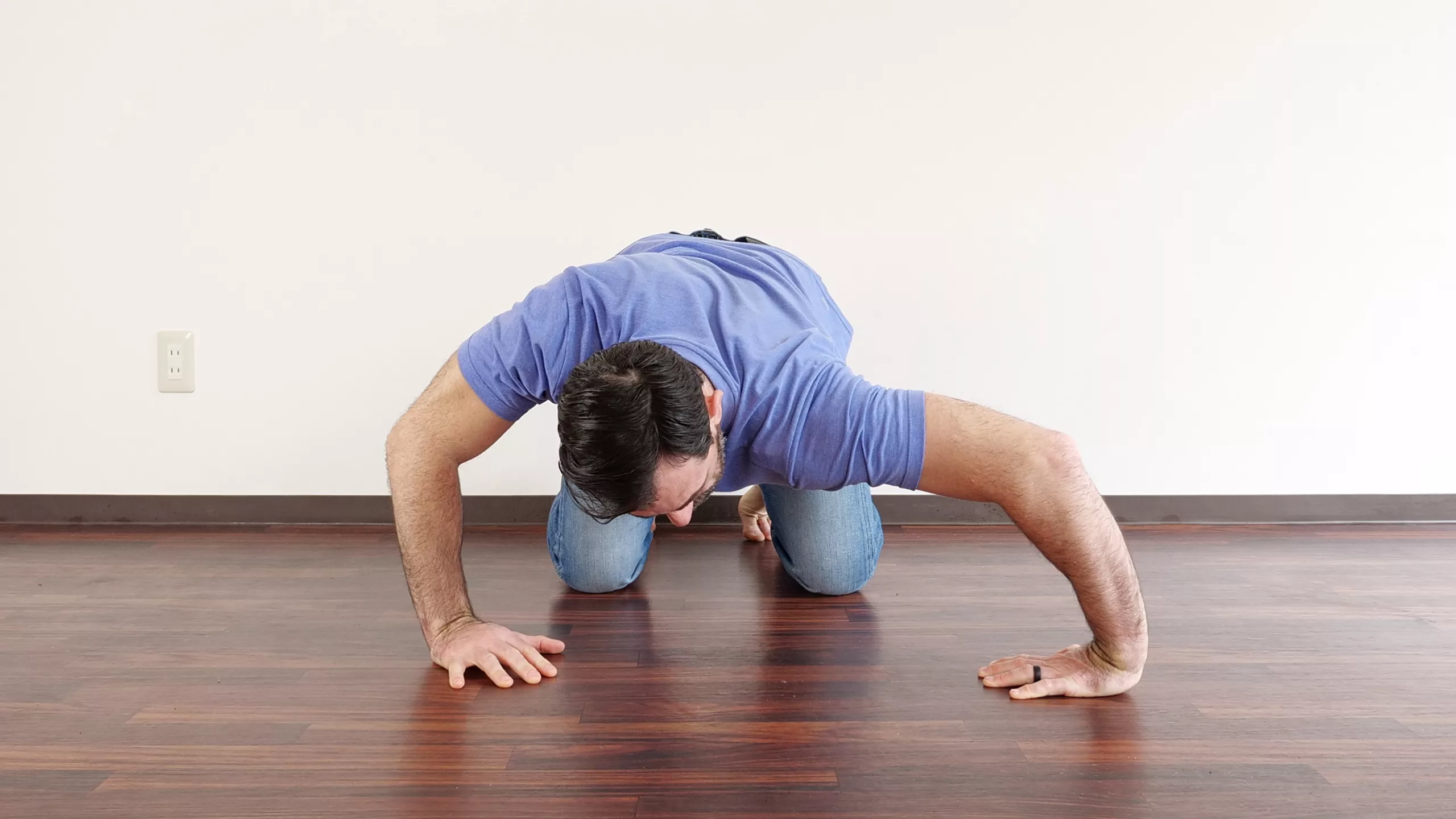
There’s something so freeing about moving without feeling like your joints are rusty hinges. I used to wince getting out of bed, my knees creaking and my back stiff from too much Netflix and not enough movement. It hit me that I wasn’t old—I just wasn’t giving my joints the love they needed. Over time, I’ve learned that boosting joint flexibility doesn’t require extreme workouts or pricey supplements. Simple, natural habits can make a huge difference. In this article, I’ll share practical ways to loosen up your joints, drawing from my own journey, chats with health pros, and solid science. We’ll cover exercises, nutrition, lifestyle tweaks, and more to help you move smoother and feel better. Let’s limber up!
Why Joint Flexibility Matters
Joint flexibility is about how easily your joints move through their full range of motion. It’s what lets you bend to tie your shoes, reach for a high shelf, or twist to grab something without pain. Flexible joints rely on healthy cartilage, stretchy ligaments, strong muscles, and enough synovial fluid (your joint’s natural lube). When flexibility fades, you get stiff, achy, or even prone to injury. I noticed this when my hips started protesting after long car rides—less flexibility meant more discomfort.
Poor flexibility can stem from inactivity, aging, inflammation, or conditions like arthritis. But the good news? You can improve it naturally. A 2020 Journal of Physical Therapy Science study found that regular stretching and low-impact exercise boost joint mobility, even in older adults. Let’s explore how to make that happen.
Natural Strategies to Boost Joint Flexibility
These methods are accessible, backed by research, and gentle enough for most people. I’ve tried many myself and seen real results. Always check with a doctor if you have chronic pain or a medical condition, but these are great starting points.
1. Gentle Stretching: Your Joints’ Best Friend
Stretching is like oiling a squeaky door—it keeps joints supple and muscles relaxed. I started doing daily stretches after realizing how tight my hamstrings were making my knees feel. A 2019 Clinical Rehabilitation study showed that consistent stretching improves joint range of motion and reduces stiffness.
Try These Stretches:
Hamstring Stretch: Sit on the floor, one leg extended, the other bent. Reach toward your toes gently, holding for 20–30 seconds per side. Do 2–3 reps.
Hip Flexor Stretch: Kneel on one knee, push your hips forward, and hold for 20 seconds. Switch sides. Great for desk sitters like me.
Shoulder Stretch: Cross one arm over your body, pull gently with the other hand, and hold for 15–20 seconds per side.
Neck Stretch: Tilt your head toward one shoulder, hold for 15 seconds, and switch. Perfect for easing tension.
How I Do It: I stretch for 10 minutes every morning while listening to music. It’s become my wake-up ritual, and my hips feel looser all day.
Tip: Stretch after a warm shower or light activity to avoid injury. Never bounce—keep it smooth.
2. Low-Impact Exercise: Move It to Keep It
Exercise strengthens the muscles that support your joints while boosting synovial fluid production. I used to think “exercise” meant sweating it out at the gym, but gentle activities work wonders for flexibility. A 2021 Arthritis Care & Research study found that low-impact exercise improves joint function in osteoarthritis patients.
Best Options:
Yoga: Poses like downward dog or cat-cow stretch multiple joints. A 2018 Journal of Rheumatology study linked yoga to better mobility in arthritis patients.
Swimming: Water supports your body, reducing joint stress. I swim laps once a week, and my shoulders feel freer.
Tai Chi: Slow, flowing movements enhance balance and flexibility. A 2020 Journal of Alternative and Complementary Medicine study found tai chi reduces stiffness.
Walking: A brisk 20-minute walk lubricates joints. I walk my dog daily, and it keeps my knees happy.
How I Do It: I mix yoga and walking into my week—yoga for stretching, walking for circulation. Even 15 minutes feels good.
Tip: Start with 10–15 minutes, 3–4 times a week, and build up. Wear supportive shoes for walking to protect joints.
3. Nutrition: Fuel for Flexible Joints
What you eat directly affects your joints. I learned this when I cut back on sugary snacks and noticed less morning stiffness. A 2020 Nutrients study tied anti-inflammatory diets to better joint health. Here’s what to focus on:
Omega-3 Fatty Acids: These fats reduce inflammation and keep joints lubricated. A 2019 The Lancet Rheumatology study found omega-3s ease arthritis symptoms. Eat salmon, walnuts, or chia seeds. I add flaxseeds to smoothies.
Antioxidants: Vitamins C and E fight free radicals that damage cartilage. Berries, citrus, and spinach are packed with them. A 2018 Antioxidants study linked vitamin C to less joint pain. I snack on oranges.
Collagen-Rich Foods: Collagen supports cartilage. Bone broth or gelatin can help, per a 2021 Nutrients study. I sip homemade broth in winter.
Hydration: Water keeps synovial fluid flowing. A 2020 Journal of Human Nutrition and Dietetics study noted dehydration stiffens joints. I carry a water bottle everywhere.
Foods to Limit:
Sugar and refined carbs (soda, pastries): They spike inflammation, per a 2018 American Journal of Clinical Nutrition study.
Processed foods (chips, fast food): High in trans fats, which worsen stiffness, per a 2019 Journal of Lipid Research study.
Excess red meat: Linked to inflammation, per a 2020 Journal of Rheumatology study. I swap steak for fish most days.
How I Do It: I aim for a colorful plate—salmon, kale, and quinoa for dinner, or a berry smoothie for breakfast. I cut soda for herbal tea, and my joints thank me.
Tip: Plan meals weekly to avoid junk food traps. Batch-cook grains or soups for quick, healthy eats.
4. Heat and Cold Therapy: Soothe and Loosen
Heat relaxes muscles and lubricates joints, while cold reduces inflammation. I use a heating pad on my lower back before stretching—it’s a game-changer. A 2019 Journal of Clinical Nursing study found heat therapy improves joint flexibility in arthritis patients.
How to Use:
Heat: Apply a warm towel or heating pad for 15–20 minutes before exercise. A warm bath works too. I soak in Epsom salts weekly.
Cold: Use an ice pack (wrapped in a cloth) for 10–15 minutes after activity if joints feel swollen. I keep gel packs in the freezer.
Tip: Don’t apply heat to swollen joints or cold to stiff ones—it can worsen things. Test the temperature to avoid burns.
5. Massage and Foam Rolling: Release the Tension
Massage boosts blood flow and relaxes tight muscles around joints, improving flexibility. I treat myself to a professional massage occasionally, but self-massage works too. A 2020 Journal of Bodywork and Movement Therapies study found massage enhances joint mobility.
Try This:
Self-Massage: Use your hands or a tennis ball to rub sore spots (like shoulders or thighs) for 5–10 minutes.
Foam Rolling: Roll over tight muscles (like quads or calves) for 1–2 minutes per area. I roll my hips after sitting too long.
How I Do It: I foam roll while watching TV—it’s easy to fit in. A tennis ball under my shoulder blades feels amazing.
Tip: Start gently to avoid bruising. If it’s too painful, ease up or skip it.
6. Maintain a Healthy Weight: Less Pressure, More Movement
Extra weight stresses joints, especially knees and hips, reducing flexibility. Losing just 5–10% of body weight can ease joint strain, per a 2022 Osteoarthritis and Cartilage study. I dropped a few pounds by eating more veggies, and my knees felt lighter.
How to Do It:
Eat balanced meals with lean protein, healthy fats, and fiber to stay full.
Move more—walking or yoga burns calories without joint stress.
Track portions to avoid overeating. I use smaller plates to keep it simple.
Tip: Focus on sustainable changes, not crash diets. I cut one sugary snack daily and saw results over time.
7. Sleep Well: Recover and Repair
Sleep is when your body repairs joints and muscles. Skimping on it stiffens you up—I’ve felt this after late nights. A 2019 Sleep Medicine Reviews study linked 7–9 hours of sleep to less joint pain and better mobility.
How I Do It:
Stick to a bedtime routine (no screens 30 minutes before bed).
Keep your bedroom cool and dark. I use blackout curtains.
Avoid heavy meals or caffeine late. I switch to decaf after noon.
Tip: Try a 5-minute stretch before bed to relax muscles and improve sleep quality.
8. Stress Management: Keep Muscles Loose
Stress tightens muscles, limiting joint movement. I noticed my shoulders hike up when I’m stressed, making them stiff. A 2020 Psychoneuroendocrinology study found mindfulness reduces inflammation, aiding flexibility.
Try These:
Deep Breathing: Inhale for 4 counts, hold for 4, exhale for 4. Do 5 rounds. I do this during work breaks.
Meditation: Use a 5-minute app-guided session. It calms my mind and body.
Hobbies: Gardening or reading distracts from stress. I knit to unwind.
Tip: Schedule 5–10 minutes daily for stress relief—it’s worth it.
9. Hydration: Keep Joints Slippery
Dehydration thickens synovial fluid, stiffening joints. I didn’t realize I was under-hydrated until I started sipping more water—my hips felt less “stuck.” A 2020 Journal of Human Nutrition and Dietetics study tied hydration to better joint function.
How I Do It: I drink 8–10 glasses of water daily, adding lemon or cucumber for flavor. Herbal tea counts too.
Tip: Sip water throughout the day, not all at once. A reusable bottle helps me track intake.
10. Natural Supplements: A Helping Hand
Some supplements may support flexibility, but they’re not a cure-all. Always consult a doctor first. Here’s what’s promising:
Turmeric: Curcumin fights inflammation, per a 2018 Journal of Medicinal Food study. I add turmeric to soups.
Omega-3s: Fish oil reduces stiffness, per a 2020 The Lancet Rheumatology study. I take a daily capsule.
Glucosamine/Chondroitin: May support cartilage, per a 2019 Arthritis Research & Therapy study. Results vary, but a friend swears by it.
How I Do It: I stick to turmeric in food and omega-3s, with my doctor’s approval. I avoid random supplements to save money.
Tip: Choose high-quality brands and check for interactions with meds.
Building a Flexibility-Friendly Routine
Consistency is key, but it doesn’t have to feel like a chore. Here’s how I make it work:
Morning: 10-minute stretch session with music. I do hamstring and hip stretches.
Daytime: 20-minute walk or yoga flow. I sneak in desk stretches during work.
Evening: Foam roll or self-massage while relaxing. A warm bath weekly soothes joints.
Diet: Plan meals with salmon, greens, and nuts. I prep smoothies for busy mornings.
Lifestyle: Prioritize sleep, sip water, and take 5-minute stress breaks.
A 2021 Journal of Physical Therapy Science study found that combining stretching, exercise, and diet improves flexibility faster than any one alone. I track my habits in a journal to stay motivated.
My Personal Journey with Flexibility
I used to think stiffness was just part of life. My hips hurt after long sits, and my shoulders felt locked after stressy days. But after adding daily stretches, eating more fish and veggies, and drinking water like it’s my job, I move better. I’m not doing cartwheels, but I can squat to pet my dog without wincing. Small changes—like swapping soda for tea or walking during lunch—added up. It’s empowering to know I can support my joints naturally.
When to Seek Professional Help
These natural methods are great, but some issues need expert attention. See a doctor or physical therapist if:
Joint pain lasts over a few weeks or worsens.
You have swelling, redness, or warmth in joints.
Stiffness limits daily tasks (like dressing or climbing stairs).
You suspect arthritis or an injury.
A 2021 Rheumatology Advances in Practice study stresses early intervention to prevent joint damage. A friend’s physical therapist tailored stretches for her arthritis, boosting her mobility.
Final Thoughts
Boosting joint flexibility doesn’t have to be complicated or costly. With gentle stretches, low-impact exercise, smart nutrition, and simple lifestyle tweaks, you can keep your joints happy and your body moving freely. I’ve been there—frustrated by stiffness and tempted to ignore it. But small, natural changes have made me feel lighter and stronger. Start where you are, listen to your body, and consult a pro for persistent issues. Here’s to moving with ease and enjoying every step.
Disclaimer: I’m not a medical professional, just someone who’s improved flexibility with expert guidance. Consult a healthcare provider before starting new habits, especially with medical conditions.
Post a Comment