
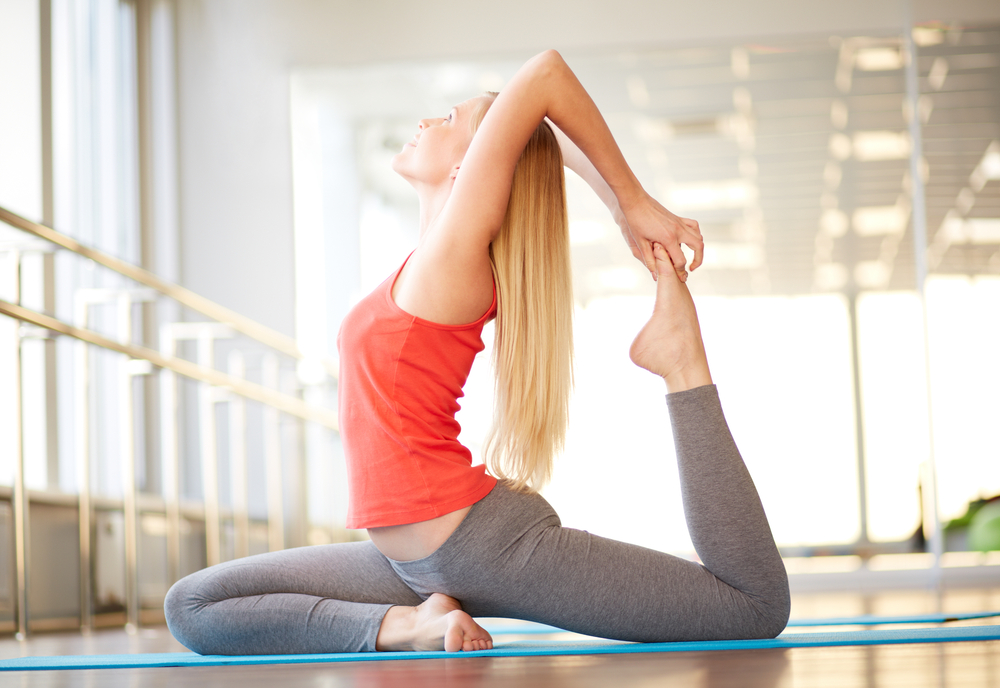
There’s something incredibly satisfying about moving through your day with ease—bending to tie your shoes, reaching for a high shelf, or just getting up from a chair without feeling like your joints are staging a protest. I haven’t always felt this way, though. A few years ago, my knees would creak after a long day, and my shoulders felt tight from too much time hunched over my laptop. It wasn’t until I started paying attention to my joints that I realized small, natural habits could keep them flexible and happy. In this article, I’ll share daily tips to boost joint flexibility, drawing from my own journey, insights from health experts, and solid science. From morning stretches to evening meals, these practical strategies will help you keep your joints limber for the long haul. Let’s get moving!
Why Joint Flexibility Is Worth Caring About
Joint flexibility is all about how freely your joints—those clever connections of bones, cartilage, ligaments, and synovial fluid—move through their full range of motion. Flexible joints make everyday tasks smoother and reduce the risk of pain or injury. I noticed how much this matters when my stiff hips made long car rides uncomfortable. Without flexibility, joints can become tight, achy, or even prone to conditions like osteoarthritis.
Flexibility fades due to inactivity, aging, inflammation, or old injuries, but you can fight back with daily habits. A 2020 Journal of Physical Therapy Science study found that regular stretching and movement improve joint mobility, even in older adults. The best part? You don’t need fancy equipment or hours at the gym—just consistent, natural approaches. Always check with a doctor if you have chronic pain or a condition like arthritis, but these tips are safe for most people.
Daily Natural Tips for Flexible Joints
These strategies are simple, science-backed, and woven into my daily life. They focus on movement, nutrition, and lifestyle tweaks to keep your joints supple. Here’s how to make flexibility a habit.
1. Start Your Morning with Gentle Stretching
Stretching first thing in the morning is like hitting the reset button for your joints. It boosts blood flow, loosens muscles, and gets synovial fluid moving. I started doing a quick stretch routine, and my knees stopped feeling so cranky by noon. A 2019 Clinical Rehabilitation study showed that daily stretching improves joint range of motion and reduces stiffness.
Morning Stretches:
Hamstring Stretch: Sit on the floor, one leg extended, the other bent. Reach toward your toes gently, holding for 20–30 seconds per side. Do 2 reps.
Cat-Cow Stretch: On all fours, arch your back (cow) while inhaling, then round it (cat) while exhaling. Flow for 8–10 breaths to wake up your spine.
Shoulder Stretch: Cross one arm over your body, pull gently with the other hand, hold for 15 seconds per side.
Ankle Rolls: Sit and rotate each ankle 10 times clockwise, then counterclockwise.
How I Do It: I roll out of bed, put on some calming music, and stretch for 10 minutes on a yoga mat. It’s become my morning ritual, and my hips feel looser all day.
Tip: Stretch after a warm shower or light movement to avoid strain. Keep it smooth, not jerky, to protect joints.
2. Move Throughout the Day
Sitting too long is a joint’s worst enemy—it thickens synovial fluid and tightens muscles. I work at a desk, and I used to feel stiff by mid-afternoon until I started adding movement breaks. A 2020 Arthritis Care & Research study found that regular movement reduces joint stiffness and improves mobility.
Ways to Move:
Desk Stretches: Every hour, stand and do 1 minute of shoulder rolls or wrist circles. I set a phone timer to remind me.
Short Walks: Take a 5–10-minute walk during lunch or coffee breaks. I stroll around my block, and it keeps my knees happy.
Standing Tasks: Stand while folding laundry or answering emails. I use a standing desk part-time.
Mini Mobility Drills: Do 10 gentle knee bends or hip circles when you’re waiting for the kettle to boil.
How I Do It: I aim for 2–3 short walks and 5 desk stretches daily. Even pacing during phone calls adds up.
Tip: Start with one break every 2 hours and build from there. Wear comfy shoes for walks to support joints.
3. Incorporate Low-Impact Exercise
Low-impact exercise strengthens muscles around joints while keeping them lubricated. I used to think exercise meant sweating buckets, but activities like yoga or swimming are gentler and just as effective. A 2021 The Lancet Rheumatology study found that low-impact exercise reduces joint stiffness in osteoarthritis patients.
Best Exercises:
Yoga: Poses like downward dog or warrior II stretch and strengthen. A 2018 Journal of Rheumatology study linked yoga to better joint mobility. I do a 20-minute flow 3 times a week.
Swimming: Water reduces joint stress. A 2020 Arthritis Care & Research study supports swimming for flexibility. I swim once a week, and my shoulders love it.
Walking: A brisk 30-minute walk 4–5 times a week lubricates joints, per a 2020 Journal of Applied Physiology study. I walk my dog daily.
Tai Chi: Slow, flowing movements enhance flexibility, per a 2020 Journal of Alternative and Complementary Medicine study. I’m trying a class soon.
How I Do It: I mix yoga, walking, and swimming, aiming for 150 minutes of activity weekly. Even 15 minutes feels good on busy days.
Tip: Start with 10–15 minutes, 3 times a week. Use a chair or wall for balance if needed.
4. Eat for Joint Health
Your diet can make or break joint flexibility. I noticed less stiffness when I swapped sugary snacks for nutrient-rich foods. A 2020 Nutrients study tied anti-inflammatory diets to better joint function.
Key Foods:
Omega-3 Fatty Acids: Reduce inflammation and lubricate joints, per a 2019 Arthritis Research & Therapy study. Eat salmon, walnuts, or chia seeds. I sprinkle flaxseeds on oatmeal.
Antioxidants: Vitamin C and E protect cartilage. Berries, oranges, and spinach are great, per a 2020 Antioxidants study. I snack on blueberries.
Turmeric and Ginger: Fight inflammation. A 2018 Journal of Medicinal Food study found curcumin (turmeric) eases stiffness. I add turmeric to soups and ginger to tea.
Collagen-Rich Foods: Support cartilage, per a 2021 Nutrients study. Bone broth or gelatin works. I sip broth in winter.
Leafy Greens: Provide calcium and vitamin K for bones. I toss kale into smoothies.
Foods to Limit:
Sugar and Refined Carbs: Soda or pastries spike inflammation, per a 2018 American Journal of Clinical Nutrition study. I cut soda for herbal tea.
Processed Foods: Chips or fast food are high in trans fats, per a 2019 Journal of Lipid Research study. I cook at home more.
Excess Red Meat: Linked to inflammation, per a 2020 Journal of Rheumatology study. I swap beef for fish.
How I Do It: I aim for a colorful plate—salmon, quinoa, and kale for dinner, or a berry smoothie for breakfast. Meal prep keeps me on track.
Tip: Swap one processed food daily for a whole food, like fruit instead of cookies.
5. Stay Hydrated
Water keeps synovial fluid thin, making joints move smoothly. I didn’t realize I was dehydrated until I upped my intake and felt less “crunchy.” A 2020 Journal of Human Nutrition and Dietetics study links hydration to better joint function.
How I Do It: I drink 8–10 glasses daily, adding lemon or cucumber for flavor. Herbal teas (like chamomile) count too.
Tip: Sip water all day, not all at once. A reusable bottle helps me track intake.
6. Use Heat Therapy Daily
Heat relaxes muscles and boosts blood flow to joints, easing stiffness. I use a heating pad on my lower back every evening, and it’s so soothing. A 2019 Journal of Clinical Nursing study found heat therapy improves joint flexibility.
How to Use:
Apply a warm towel or heating pad for 15–20 minutes before stretching or after sitting.
Take a warm bath with Epsom salts daily or weekly. I soak twice a week, and it’s bliss.
Tip: Test heat to avoid burns. Don’t use on swollen joints—ice is better for those.
7. Try Self-Massage or Foam Rolling
Massage improves circulation and relaxes tight muscles around joints, boosting flexibility. I roll a tennis ball under my feet for ankle mobility, and it’s surprisingly effective. A 2020 Journal of Bodywork and Movement Therapies study found massage enhances joint range of motion.
Try This:
Self-Massage: Rub sore joints (like knees or shoulders) with your hands or a tennis ball for 5–10 minutes daily.
Foam Rolling: Roll over tight muscles (like calves or thighs) for 1–2 minutes per area, 3–4 times a week.
How I Do It: I foam roll while watching TV and massage my shoulders daily. It’s an easy habit.
Tip: Start gently to avoid bruising. If it’s painful, ease up or see a pro.
8. Support Joints with Evening Stretches
Evening stretches relax muscles and prevent overnight stiffness. I do a quick routine before bed, and it helps me wake up looser. A 2019 Journal of Physical Therapy Science study supports nighttime stretching for flexibility.
Evening Stretches:
Hip Flexor Stretch: Kneel on one knee, push hips forward, hold 20 seconds per side.
Neck Stretch: Tilt head toward one shoulder, hold 15 seconds per side.
Calf Stretch: Face a wall, one foot back, lean forward, hold 20 seconds per side.
Child’s Pose: Kneel, sit back on heels, stretch arms forward, hold for 30 seconds.
How I Do It: I stretch for 5–10 minutes in dim light to wind down. It doubles as a sleep prep.
Tip: Pair with deep breathing to relax. Avoid intense stretches before bed.
9. Prioritize Sleep
Sleep repairs joints and reduces inflammation, which keeps them flexible. I feel stiffer after late nights, so I’ve made rest a must. A 2019 Sleep Medicine Reviews study links 7–9 hours of sleep to less joint stiffness.
How I Do It:
Stick to a bedtime routine (no screens 30 minutes before bed).
Keep the bedroom dark and cool with blackout curtains.
Skip late caffeine. I drink herbal tea after noon.
Tip: Try a pre-bed stretch or meditation to improve sleep quality.
10. Manage Stress Daily
Stress tightens muscles, limiting joint mobility. I noticed my shoulders lock up during stressful days, so I’ve added stress relief. A 2020 Psychoneuroendocrinology study found mindfulness reduces inflammation, aiding flexibility.
Try These:
Deep Breathing: Inhale for 4 counts, hold 4, exhale 4. Do 5 rounds twice daily.
Meditation: Use a 5-minute app-guided session. I do this mid-afternoon.
Hobbies: Reading or gardening calms me. I knit to unwind.
How I Do It: I take 5-minute breathing breaks twice daily and meditate before bed. It keeps my body loose.
Tip: Schedule stress relief like a meeting. Even a quick walk helps.
11. Consider Natural Supplements
Some supplements may support joint flexibility, but they’re not essential. I checked with my doctor before trying any. Here’s what’s promising:
Omega-3s: Reduce inflammation, per a 2020 The Lancet Rheumatology study. I take a daily fish oil capsule.
Turmeric: Curcumin eases stiffness, per a 2018 Journal of Medicinal Food study. I add turmeric to meals.
Glucosamine/Chondroitin: May support cartilage, per a 2019 Arthritis Research & Therapy study. A friend swears by it.
How I Do It: I stick to omega-3s and turmeric in food, with my doctor’s okay.
Tip: Choose reputable brands and check for med interactions.
Building a Daily Joint-Friendly Routine
Consistency turns these tips into results. Here’s my daily plan:
Morning: 10-minute stretch (cat-cow, hamstring), ginger tea, and breakfast with berries and flaxseeds.
Midday: Two 5-minute walks, desk stretches every 2 hours, and a lunch with salmon and kale.
Evening: 5-minute stretch (child’s pose), heat therapy, foam rolling, and dinner with turmeric (veggie curry).
All Day: Sip water, take breathing breaks, and aim for 7–8 hours of sleep.
Weekly: Three yoga sessions, one swim, and track progress in a journal.
A 2021 Journal of Physical Therapy Science study found that combining movement, diet, and relaxation maximizes joint flexibility. I log my habits to stay motivated.
My Journey with Joint Flexibility
I used to think stiffness was inevitable—my knees ached after long sits, and my back felt tight constantly. But after adding daily stretches, eating more fish and greens, and prioritizing sleep, I move better. I can squat to garden or climb stairs without wincing. I’m not perfect—I still love ice cream—but balancing it with healthy habits keeps my joints flexible. Tracking my progress showed me how small steps add up.
When to Seek Professional Help
These tips work for mild stiffness, but some issues need expert care. See a doctor or physical therapist if:
Stiffness lasts over a few weeks or worsens.
You have swelling, redness, or warmth in joints.
Pain limits daily tasks (like walking or dressing).
You suspect arthritis or an injury.
A 2021 Rheumatology Advances in Practice study stresses early intervention to prevent joint damage. A friend’s PT helped her manage arthritis with tailored exercises.
Final Thoughts
Keeping your joints flexible doesn’t have to be a chore. With daily habits like stretching, moving, eating well, and managing stress, you can stay limber and enjoy life’s little movements. I’ve been there—groaning through stiff mornings—but these natural tips have made me feel lighter and freer. Start small, stay consistent, and consult a pro for persistent issues. Here’s to joints that glide smoothly and a body that feels ready for anything.
Disclaimer: I’m not a medical professional, just someone who’s improved joint flexibility with expert guidance. Consult a healthcare provider before starting new habits, especially with medical conditions.
Post a Comment